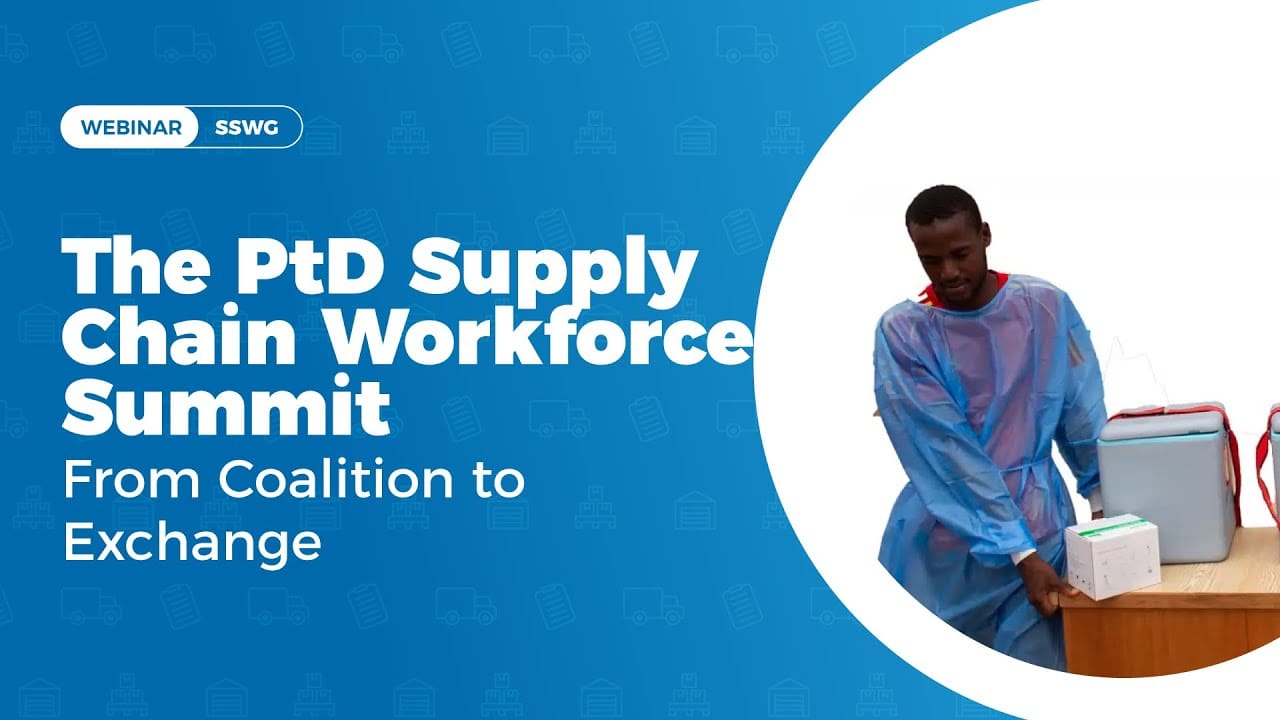
As global attention turns towards localized approaches for development and humanitarian response, there is a growing need for local actors to define the systems and pathways that would support this shift. Over the course of 2024, Kenyan and Nigerian humanitarian actors started this process. With funding from USAID, the Fritz Institute led the development of localized roadmaps for humanitarian response, supported by subject matter experts, including consultant Pamela Steele. This webinar explores the insights, innovations, and tensions that emerged from this multi-stakeholder localization initiative across both countries, led by local and international partners. Through this session, we explore how local actors, from NGOs to civil society and government are taking greater ownership of supply chain systems to improve crisis response. We’ll discuss how Kenya’s decentralized integration model and Nigeria’s evolving localization frameworks offer complementary lessons for localization in fragile and high-risk settings. Whether you're navigating operational bottlenecks, donor requirements, or the politics of coordination, this session will provide strategic and practical takeaways for advancing locally led humanitarian action. What You’ll Learn: Comparative insights from Kenya and Nigeria on localizing humanitarian logistics The role of multi-sectoral technical working groups and stakeholder-driven roadmaps Approaches to capacity development, coordination, and integrated data systems Challenges around donor engagement, security, and power asymmetries Case studies on successful partnerships from CRS Caritas Nigeria and the ASAL counties in Kenya

Other
Localizing humanitarian supply chains – lessons from Kenya and Nigeria
June 26, 2025
Share Webinar