Tools
These tools, designed or supported by the Coalition, provide instant, online access to key resource information.
-
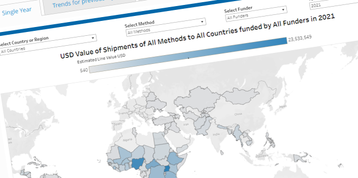
-
 Online collection of health market literature that provides immediate access to documents and related resources,
 -
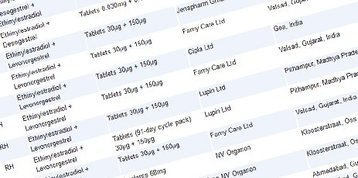 Get the latest WHO list of prequalified medicinal products and UNFPA lists of prequalified suppliers of IUD's and of male and female condoms.
 -
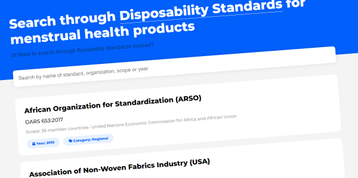 A database of standards for menstrual products (disposable & reusable) in LMICs.
 -
-
 Formerly known as AccessRH, UNFPA Procurement Services partners with governments and NGOs to improve access to quality assured supplies in a cost effective and reliable way.
 -
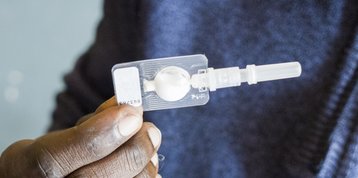 Consists of evidence-based materials for advocates to use both for their own strategy development and for direct advocacy with decision-makers.
 -
 Tracks Uganda's progress towards achievement of its reproductive health supplies related commitments.
 -
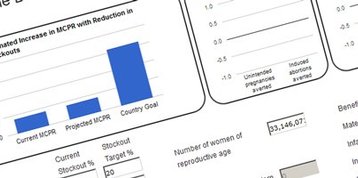 Calculator of potential benefits to be gained by reducing or eliminating stockouts of reproductive health supplies
 -